

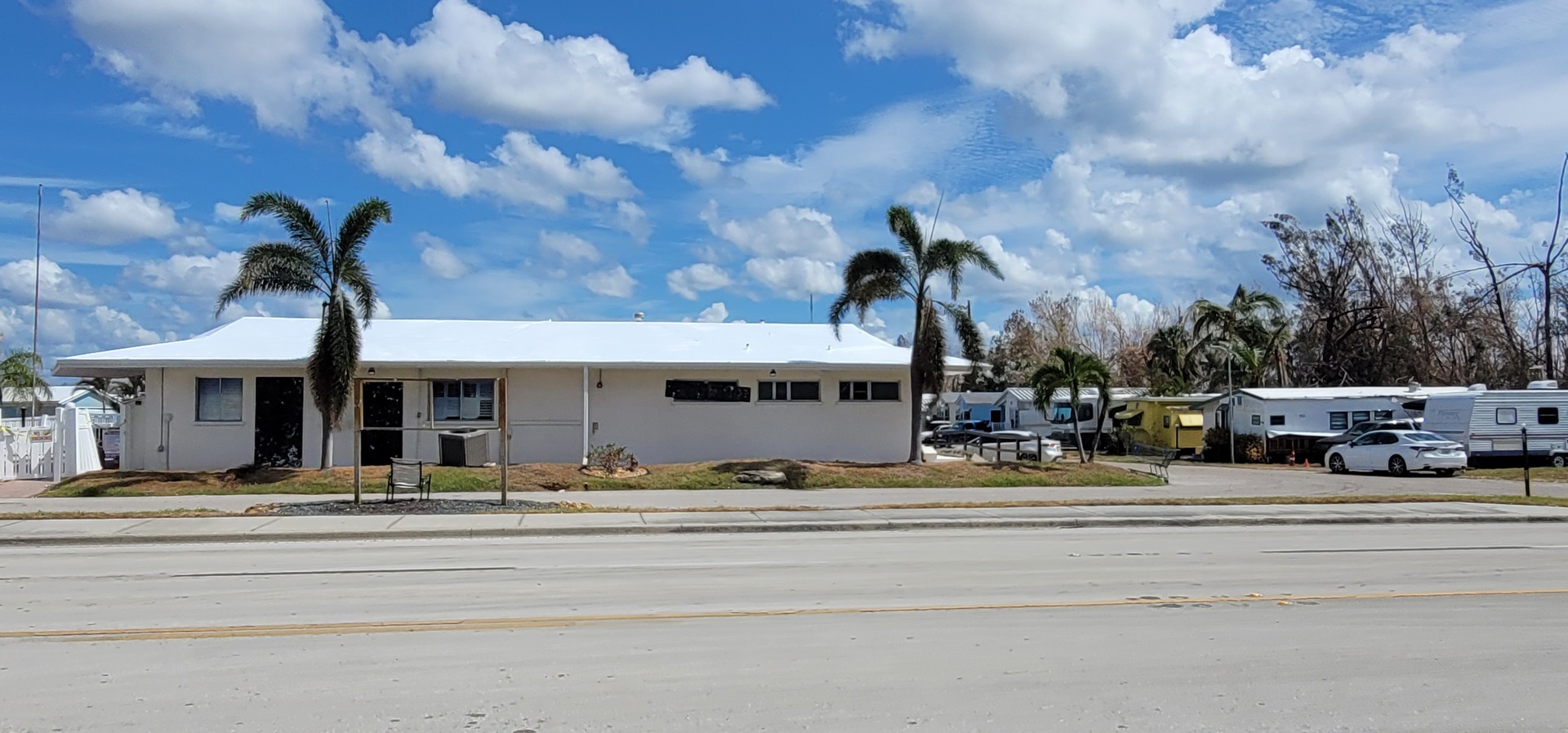
In today’s fast-moving construction and roofing industry, protecting structures during vulnerable stages is no longer optional — it’s essential. Modular homes, prefabricated buildings, and active construction sites face constant exposure to weather, debris, and unexpected delays. One proven solution that has gained widespread adoption is the shrink wrap roof.
A shrink wrap roof provides a secure, weather-resistant barrier that protects buildings when permanent roofing is not yet in place or has been damaged. From modular housing manufacturers to roofing contractors and homeowners, shrink wrap technology offers a dependable way to safeguard valuable assets, reduce costly damage, and keep projects moving forward.
This article explores the critical role of shrink wrap for roofs, how it protects modular homes and buildings, why it outperforms traditional methods, and how it delivers real-world value across the building industry.
Understanding What a Shrink Wrap Roof Is
A shrink wrap roof uses industrial-grade polyethylene film that is installed over a roof surface and heat-shrunk to form a tight, sealed enclosure. Once heated, the material contracts and conforms to the roof’s shape, creating a drum-tight finish that resists wind, water, and debris.
Unlike temporary tarps that are loosely tied down, shrink wrapping roofs creates a secure, custom-fit layer that stays in place even under challenging weather conditions. The material is designed to withstand outdoor exposure and typically includes UV inhibitors to extend its lifespan.
This type of roof wrap is commonly used for:
- Modular homes in transit or storage
- Buildings under construction
- Roofs awaiting repair or replacement
- Emergency storm damage protection
Why Modular Homes Need Shrink Wrap for Roofs
Modular and prefabricated buildings are constructed in controlled environments and then transported to their final locations. While this approach improves efficiency, it also introduces risk — especially during storage and transit.
Weather Exposure During Transport
During transportation, modular homes are exposed to rain, snow, high winds, and road debris. A shrink wrap roof acts as a protective shell, preventing moisture from entering roof assemblies, insulation, or interior finishes.
Protection During Storage
Many modular units sit outdoors for weeks or months before installation. Without proper protection, prolonged exposure can cause material degradation. Shrink wrap for roofs seals out moisture and blocks harmful UV rays, preserving structural integrity and interior quality.
Reduced Risk of Costly Repairs
Water intrusion during storage or transport can lead to mold growth, warped materials, and electrical damage. Using shrink wrapping roofs helps builders avoid rework, insurance claims, and project delays.
How Shrink Wrapping Roofs Protect Active Construction Sites
Construction delays are common — whether due to weather, supply chain issues, or scheduling conflicts. Leaving a roof exposed during these delays can cause serious damage.
Temporary Protection That Actually Works
A shrink wrap roof provides long-term temporary protection, often lasting several months. Unlike tarps that tear or blow off, shrink wrap remains tightly secured, even during strong winds.
Keeps Interior Work Moving
With a reliable roof wrap in place, interior construction can continue without concern about rain or snow entering the building. This helps contractors stay on schedule and reduces downtime.
Clean and Professional Appearance
Shrink wrap delivers a neat, professional look compared to loose tarps. For commercial projects, this reflects well on builders and property owners while maintaining jobsite safety.

Shrink Wrap Roof vs Traditional Roofing Tarps
Many people assume tarps and shrink wrap offer similar protection — but the difference is significant.
| Feature | Traditional Tarps | Shrink Wrap Roof |
|---|---|---|
| Waterproof Seal | Limited | Fully sealed |
| Wind Resistance | Low | High |
| Durability | Short-term | Long-term |
| Fit | Loose | Custom, tight fit |
| Maintenance | Frequent | Minimal |
| Appearance | Messy | Clean & professional |
While tarps may work for short-term emergencies, shrink wrap for roofs is the superior option for extended protection.

Real-World Performance and Longevity
Professionally installed shrink wrapping roofs systems are designed to perform in demanding environments. With proper material thickness and installation, shrink wrap can remain effective for 6 to 12 months.
Key performance benefits include:
- Strong resistance to wind uplift
- Reliable waterproofing during heavy rain and snow
- UV-resistant materials that reduce sun damage
- Minimal maintenance requirements
For modular homes and long-term construction projects, these advantages translate directly into cost savings and reduced risk.
Common Applications of Shrink Wrap for Roofs
Emergency Storm Damage Protection
After hurricanes, heavy storms, or fallen trees, damaged roofs need immediate coverage. A shrink wrap roof provides fast, reliable protection until permanent repairs can be made.
Modular Home Manufacturing
Manufacturers use shrink wrapping roofs to protect finished modules before delivery, ensuring homes arrive in excellent condition.
Commercial and Industrial Buildings
Large facilities often rely on roof wrap systems during renovations or equipment upgrades when roofing is temporarily removed.
Seasonal or Idle Properties
Properties that sit unused for extended periods benefit from shrink wrap’s ability to keep moisture and debris out.
Installation Process: What to Expect
A professional shrink wrap roof installation follows a structured process:
- Roof inspection and surface preparation
- Installation of the shrink wrap material
- Secure fastening around edges and penetrations
- Heat application to shrink and seal the wrap
- Final inspection for airtight coverage
The result is a strong, custom-fit protective barrier designed to withstand harsh conditions.
Advantages and Limitations of Shrink Wrapping Roofs
Key Advantages
- Excellent weather resistance
- Long-lasting temporary protection
- Secure fit that won’t flap or tear
- Protects structural and interior components
- Suitable for residential, commercial, and modular buildings
Important Considerations
- Not intended as a permanent roofing solution
- Requires professional installation
- Periodic inspections recommended for long-term use

Conclusion: Why Shrink Wrap Roof Protection Matters
Protecting a roof during construction, transport, or repair is one of the smartest investments builders and homeowners can make. A shrink wrap roof offers reliable, long-term protection that traditional methods simply can’t match.
From modular homes to commercial buildings, shrink wrap for roofs reduces damage risk, controls costs, and keeps projects moving forward — even when delays occur.
If you’re looking for professional-grade materials and trusted expertise, Buffalo Shrink Wrap delivers high-quality shrink wrap solutions designed for durability and performance. Whether you need protection for a single home or a large construction project, Buffalo Shrink Wrap provides dependable roof wrap solutions you can trust.
Frequently Asked Questions (FAQs)
What is a shrink wrap roof?
A shrink wrap roof is a temporary protective covering made from heavy-duty plastic film that is heat-shrunk over a roof to create a sealed, waterproof barrier.
How long does shrink wrap for roofs last?
When professionally installed, shrink wrap for roofs can last 6 to 12 months, depending on weather exposure and material thickness.
Is shrink wrapping roofs better than tarps?
Yes. Shrink wrapping roofs provides superior wind resistance, waterproofing, and durability compared to traditional tarps.
Can shrink wrap be used on modular homes?
Absolutely. Modular homes commonly use roof wrap systems during transport and storage to prevent moisture and UV damage.
Does a roof wrap damage roofing materials?
No. When installed and removed correctly, a roof wrap does not damage existing roofing surfaces.
Is shrink wrap suitable for emergency roof protection?
Yes. A shrink wrap roof is an excellent solution for emergency protection after storms or unexpected roof damage.
Can shrink wrap be used on commercial buildings?
Yes. Shrink wrap for roofs is widely used on commercial, industrial, and residential structures.
Is shrink wrap a permanent roofing solution?
No. Shrink wrapping roofs is a temporary protective measure designed to protect roofs until permanent repairs or installations are completed.

