

Shrink wrapping has become an essential protection method across marine, industrial, construction, and aviation sectors. From winterizing boats and safeguarding industrial equipment to covering building materials and aircraft components, the quality of shrink wrapping depends heavily on one critical tool — the heat gun.
When professionals compare options, the debate usually comes down to propane heat gun vs electric heat gun. While both serve a purpose, they are not equal in performance, power, or practicality for large-scale shrink wrap applications.
This article breaks down the real-world differences, includes industry statistics, and helps you choose the right solution based on your environment, workload, and long-term efficiency.
Understanding Shrink Wrapping in Professional Environments
Shrink wrapping involves applying controlled heat to a polymer film so it tightens securely around an object. The goal is to create a weatherproof, UV-resistant, and durable seal.
Shrink wrap is commonly used in:
- Marine storage and boat winterization
- Industrial equipment protection
- Construction and roofing projects
- Aviation and aerospace facilities
- Residential and commercial weatherproofing
According to industry data, over 70% of commercial shrink wrap projects are completed outdoors, where wind, cold temperatures, and lack of power access play a major role in tool selection.
What Is a Propane Heat Gun?
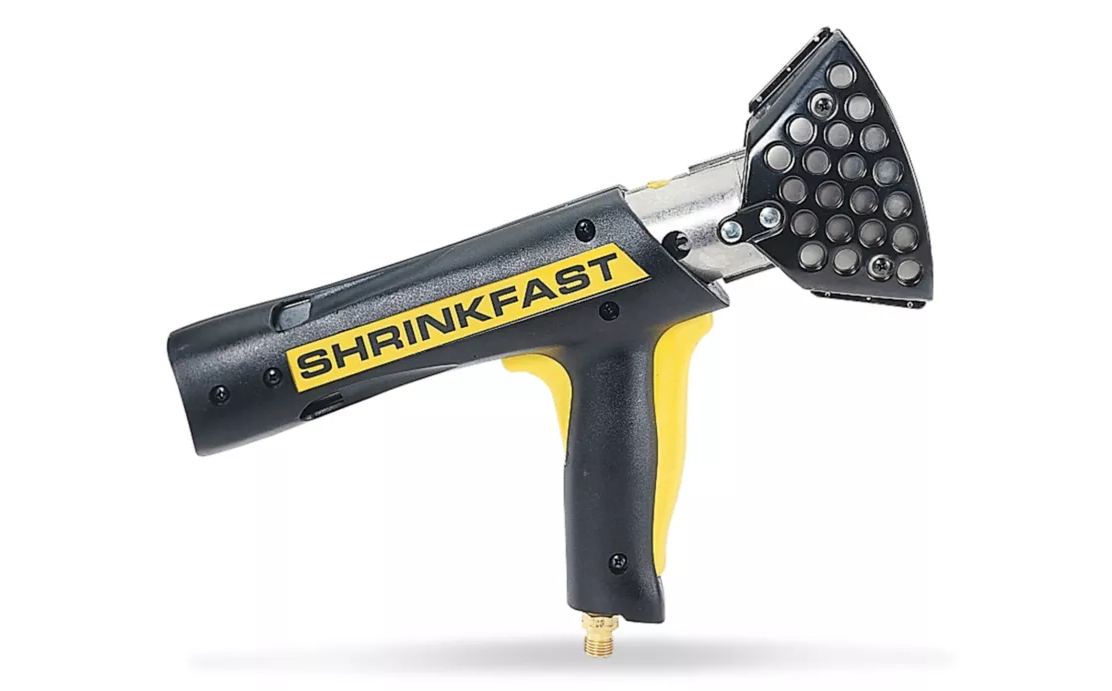
A propane heat gun is a gas-powered tool that produces extremely high heat using propane fuel. Unlike electric units, it does not rely on a power outlet, making it ideal for large-scale, outdoor, and mobile shrink wrap operations.
Professional models like the Shrinkfast heat gun are designed specifically for shrink wrapping and are widely used in marine yards and industrial facilities.
Key Characteristics of a Propane Heat Gun
- Heat output up to 1,500°F (815°C)
- Instant heat with no warm-up delay
- Operates in freezing temperatures
- Ideal for thick shrink wrap films (7–12 mil)
What Is an Electric Heat Gun?
Electric heat guns rely on electricity to generate hot air. They are often lighter, quieter, and suitable for controlled environments.
Electric models are commonly used for:
- Indoor shrink wrapping
- Small-scale projects
- Precision heat applications
- Enclosed spaces where fumes are a concern
However, most electric heat guns max out at 1,000°F or less, which limits their effectiveness for industrial-grade shrink wrap.
Power & Performance: Propane vs Electric Heat Guns
Heat Output and Shrink Speed
A propane heat gun delivers significantly higher and broader heat coverage. This allows shrink wrap to tighten faster and more evenly, reducing labor time.
Industry estimates show propane-powered shrink wrapping is 30–40% faster than electric alternatives for large surfaces like boats or machinery.
Electric heat guns, while consistent, often require multiple passes and struggle with thick films.

Portability and Job Site Flexibility
Portability is one of the biggest advantages of a propane heat gun for shrink wrap. No cords. No generators. No extension cables.
This is especially critical for:
- Boat yards
- Construction sites
- Remote industrial facilities
- Outdoor winter projects
Electric heat guns are limited by power availability, which can slow down operations.
Cold Weather Reliability
In cold climates, electric heat guns lose efficiency. Propane-powered units maintain consistent heat regardless of temperature.
For marine shrink wrapping in winter, professionals almost always rely on a propane heat gun.
Industry-Specific Use Cases
Marine Sector & Boat Owners
Boat shrink wrapping demands high heat, fast application, and outdoor reliability. A propane heat gun for shrink wrap allows technicians to cover large hulls efficiently, even in freezing conditions.
Propane is the industry standard in marine shrink wrapping, trusted by over 85% of commercial service providers.
Industrial Operators & Factories
Industrial equipment often sits outdoors or in large open yards. Propane heat guns provide fast coverage and mobility for wrapping oversized machinery, pallets, and infrastructure components.
Electric guns are sometimes used indoors for smaller components but are rarely sufficient for full-scale industrial wrapping.
Aviation & Aerospace Facilities
Aviation environments prioritize clean air and controlled heat. Electric heat guns are commonly used indoors for aircraft components, while propane tools are used externally with proper ventilation.
Construction & Roofing
On rooftops and construction sites, access to power is unreliable. Contractors prefer propane heat guns for wrapping scaffolding, materials, and temporary enclosures quickly and safely.
Safety Considerations
Both tools require responsible handling, but propane units demand extra attention due to open flame and exhaust.
Best Practices
- Maintain proper distance from shrink wrap film
- Use gloves, eye protection, and flame-resistant clothing
- Ensure ventilation when using propane
- Inspect hoses and fittings regularly
When used correctly, a propane heat gun is extremely safe and trusted across industries.
Maintenance & Long-Term Value
Propane Heat Guns
- Fewer electrical components
- Built for rugged environments
- Long service life with proper care
Professional-grade units like a Shrinkfast heat gun are designed to last many seasons with minimal maintenance.
Electric Heat Guns
- Lower upfront cost
- More sensitive to drops and moisture
- Best suited for controlled indoor use
Cost Efficiency Over Time
While electric heat guns may cost less initially, propane units often provide better long-term value for professionals.
- Faster job completion
- Less downtime
- No dependency on generators or power sources
For commercial shrink wrapping, propane systems consistently deliver higher ROI.
Conclusion: Choosing the Right Heat Gun
When comparing propane vs electric heat guns for marine and industrial shrink wrapping, the choice becomes clear based on application.
If your work involves large surfaces, outdoor conditions, cold weather, or professional-grade shrink wrap, a propane heat gun is the superior option. Electric heat guns still have their place indoors or for smaller, controlled projects, but they cannot match propane’s power, speed, and flexibility.
That’s where Buffalo Shrink Wrap comes in.
With deep industry experience, Buffalo Shrink Wrap supplies professional-grade shrink wrap materials, tools, and guidance trusted by marine professionals, industrial operators, contractors, and facility managers. Whether you need the right propane heat gun for shrink wrap, durable shrink wrap film, or expert advice, Buffalo Shrink Wrap delivers solutions that work in real-world conditions.
Visit Buffaloshrinkwrap to explore reliable shrink wrap products built for performance, safety, and long-term value.
Frequently Asked Questions – Propane vs Electric Heat Guns for Shrink Wrapping
What is the best propane heat gun for shrink wrap?
Professional models like the Shrinkfast heat gun are widely considered among the best due to their high heat output, durability, and shrink-wrap-specific design.
Is a propane heat gun for shrink wrap safe to use on boats?
Yes. When used correctly with proper ventilation and technique, a propane heat gun for shrink wrap is the industry standard for boat shrink wrapping.
Why do professionals prefer propane heat guns over electric ones?
Professionals prefer a propane heat gun because it delivers higher heat, faster shrink times, and complete portability, especially for outdoor and large-scale projects.
Can electric heat guns handle industrial shrink wrap?
Electric heat guns can manage small or thin films, but they often lack the power required for industrial or marine-grade shrink wrap applications.
How long does a propane tank last on a propane heat gun?
A standard 20 lb propane tank typically provides 6–8 hours of continuous use, depending on heat settings and workload.
Is a Shrinkfast heat gun worth the investment?
Yes. For frequent or commercial shrink wrapping, a Shrinkfast heat gun offers reliability, efficiency, and long-term durability that outweighs its upfront cost.
Which heat gun works best in cold weather?
A propane heat gun performs far better in cold conditions than electric models, making it ideal for winter shrink wrapping.