

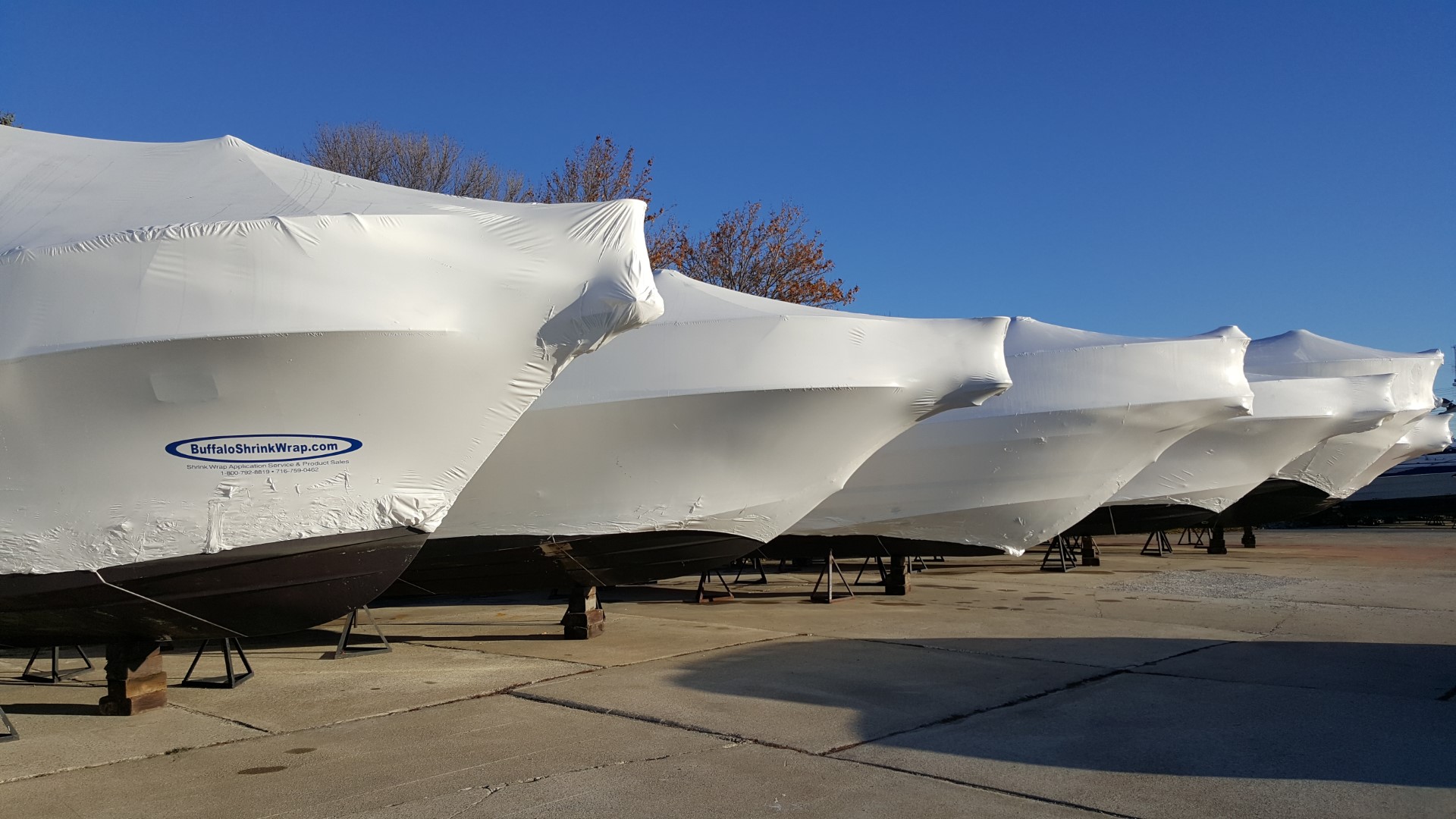
Boat owners depend on marine shrink wrap to protect their vessels from harsh marine environments, extreme weather, UV rays, dirt, and moisture during storage or transport. When installed correctly, marine shrink wrapping provides a tight, durable, and cost-effective protective barrier. However, mistakes during the wrapping process can lead to serious damage, mold growth, and expensive repairs.
According to marine industry storage reports, nearly 30–35% of winter boat damage is caused by improper wrapping or poor-quality materials. This highlights why understanding correct marine shrink wrapping practices is essential for anyone focused on marine and boat protection. Whether you work with professional installers, source materials from boat shrink wrap manufacturers, or search for boat shrink wrap near you, avoiding these common mistakes can save time, money, and stress.
Why Marine Shrink Wrapping Is Essential for Boat Protection
Using marine shrink wrap creates a sealed environment around the boat, preventing water intrusion, snow accumulation, UV damage, and wind-related wear. Marine shrink wrap is a heat-shrinkable plastic film that tightens when heated, forming a protective barrier around vessels.
Unlike tarps, which loosen over time, marine shrink wrapping remains tight and durable throughout the storage season.
Industry data referenced across marine and boating trade publications shows that boats protected with professional-grade marine shrink wrap experience up to 40% fewer surface and structural issues compared to uncovered boats. This makes shrink wrapping one of the most trusted protection solutions in the marine industry.
Common Marine Shrink Wrapping Mistakes and Their Solutions
Choosing the Wrong Shrink Wrap Thickness
One of the most common mistakes in marine shrink wrapping is selecting the wrong film thickness. Thin wrap may tear under pressure, while overly thick wrap can be difficult to shrink evenly.
Fix:
Choose shrink wrap based on boat size and climate conditions:
- Small boats: 6–8 mil
- Medium boats: 8–10 mil
- Large boats or harsh climates: 10–12 mil
Reliable boat shrink wrap manufacturers always recommend the correct gauge for your specific application.

Poor Overlap Between Shrink Wrap Panels
Insufficient overlap weakens the overall strength of marine shrink wrap, allowing air, moisture, and wind to penetrate.
Fix:
Maintain a minimum 6-inch overlap on all seams and properly heat-seal them to create a strong, weather-resistant bond.
Lack of Internal Support Structure
Without internal supports, marine shrink wrapping can sag, allowing water to pool on top of the wrap and stretch the material.
Fix:
Install a sturdy internal framework using poles or wooden supports to maintain tension and encourage proper water runoff.
Uneven or Excessive Heat Application
Incorrect heat application is a frequent issue during marine shrink wrapping. Overheating can burn holes, while uneven heating creates weak spots.
Fix:
Use a professional propane heat gun and apply heat evenly from the center outward.
Industry Insight: Boats shrink-wrapped with uneven heat application show 25% higher failure rates during winter storage.
Ignoring Sharp Edges and Protrusions
Boat components such as railings, cleats, and antennas can puncture marine shrink wrap over time.
Fix:
Cover sharp edges with foam padding or protective tape before starting marine shrink wrapping.
Skipping Ventilation Installation
Failing to install vents is one of the most damaging mistakes in marine shrink wrapping. Trapped moisture leads to mold, mildew, and interior damage. Boats wrapped without vents are 65% more likely to experience moisture-related issues.
Fix:
Install multiple vents—both high and low—to ensure proper airflow throughout the wrapped vessel.

Using Low-Quality Shrink Wrap Material
Not all shrink wrap is designed for marine use. Low-grade materials degrade quickly under UV exposure and harsh marine conditions.
Fix:
Always source materials from reputable boat shrink wrap manufacturers offering UV-resistant, marine-grade shrink wrap.
Improper Anchoring and Tie-Downs
Loose anchoring allows wind to lift or tear marine shrink wrap, exposing the boat to weather damage.
Fix:
Secure the wrap with heavy-duty straps attached to trailers or approved ground anchors.
Skipping Final Inspection
Many issues in marine shrink wrapping go unnoticed until damage has already occurred.
Fix:
Conduct a thorough inspection after installation or consult a professional to ensure complete coverage and secure sealing.
Ignoring Local Marina or Storage Regulations
Some marinas and storage facilities have specific requirements for marine shrink wrap, including fire-retardant materials.
Fix:
Check marina or storage facility regulations before beginning the wrapping process.
Choosing the Right Marine Shrink Wrap Provider
If you are searching online for boat shrink wrap near you, choosing the right supplier is critical. Look for experienced providers who specialize in marine shrink wrapping, offer marine-grade materials, and provide proper installation guidance.
Established boat shrink wrap manufacturers understand varying weather conditions, storage environments, and boat designs—ensuring long-lasting protection.
Best Practices for Marine Shrink Wrapping
- Clean the boat thoroughly
- Install internal support structures
- Protect sharp edges
- Ensure proper film overlap
- Apply heat evenly
- Install ventilation vents
- Secure anchoring straps
Following these steps ensures reliable marine shrink wrap performance throughout the storage season.
Conclusion
Avoiding common mistakes in marine shrink wrapping is essential for protecting boats from weather damage, moisture intrusion, and long-term wear. Correct material selection, proper ventilation, even heat application, and secure anchoring all play a critical role in wrap durability and effectiveness.
For high-quality materials, expert guidance, and trusted solutions, Buffalo Shrink Wrap is the reliable choice for marine and boat protection.
Visit http://doctor.brand9x.com/ to explore premium marine shrink wrap products and professional support designed to keep your vessel protected season after season.
Frequently Asked Questions
What is the best thickness for marine shrink wrap?
Most boats require 8–10 mil marine shrink wrap, while larger vessels or harsh climates benefit from thicker material.
How long does marine shrink wrap last?
High-quality marine shrink wrap can last between 2 to 5 seasons, depending on climate and installation quality.
Is professional marine shrink wrapping worth it?
Yes, especially for larger boats, as professional installers reduce errors and material waste.
Why is ventilation important in marine shrink wrapping?
Ventilation prevents trapped moisture, reducing mold, mildew, and interior damage.
Where can you find boat shrink wrap near you?
Search online for boat shrink wrap near you or contact trusted boat shrink wrap manufacturers and marine suppliers.

