

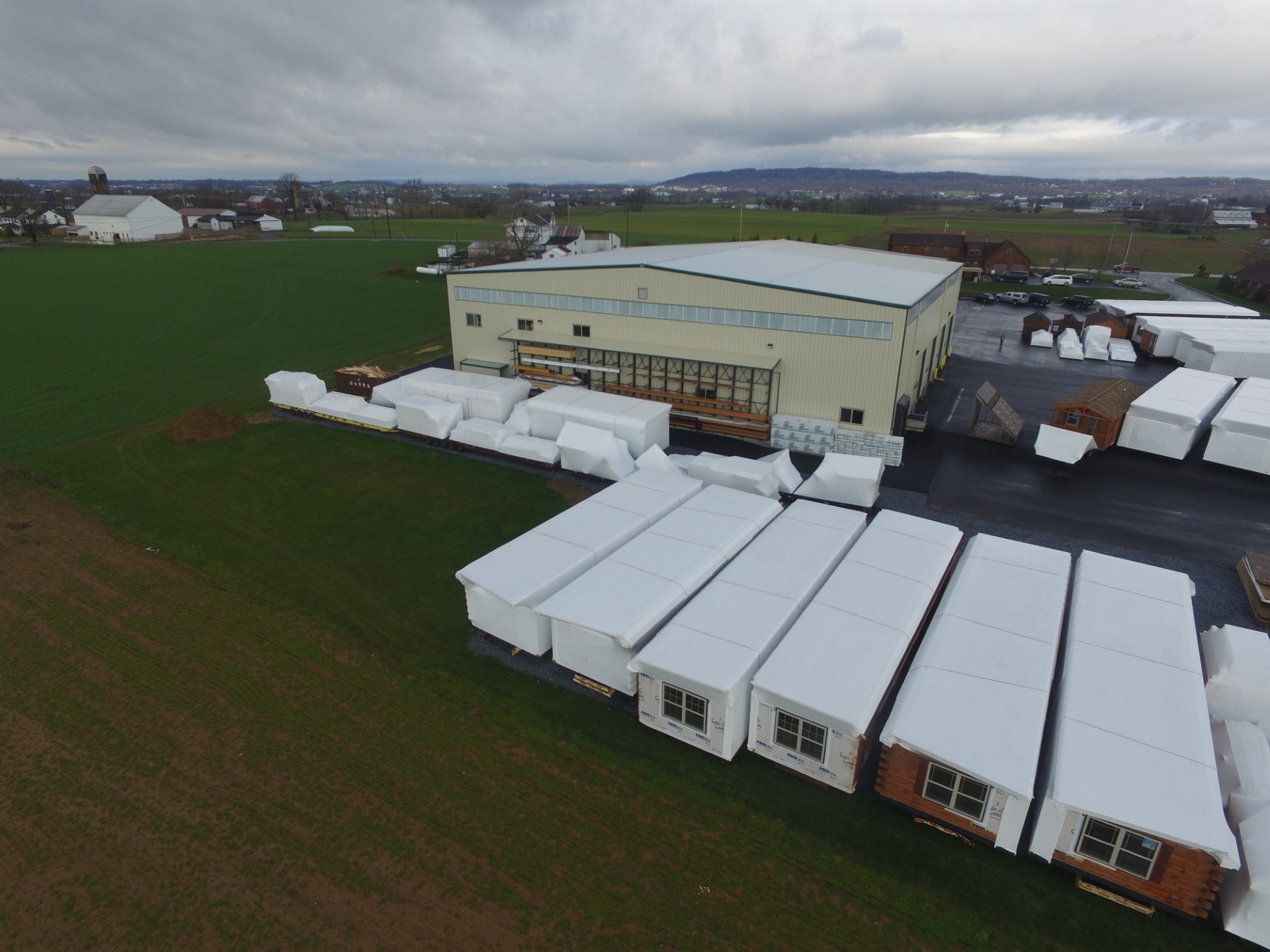
Construction projects don’t stop when the weather turns bad — but weather damage can stop a project in its tracks.
Storms, heavy rain, snow, and high winds can seriously damage exposed roofs and unfinished structures. Water intrusion during construction or after storm damage can lead to mold growth, structural weakening, electrical issues, and costly delays. This is why builders, contractors, and property owners increasingly rely on house roof wrap solutions for temporary and long-term protection.
Professional shrink wrap systems provide a durable, weather-resistant barrier that protects structures while allowing work to continue safely — even during adverse conditions.
Why Roof and Structure Protection Is Critical During Construction
Roofs are one of the most vulnerable parts of any building. During construction or repairs, roofing systems are often partially exposed, leaving interiors open to:
- Rain and snow infiltration
- Wind-driven debris
- UV damage to materials
- Mold and moisture buildup
- Project delays and added costs
Traditional methods like tarps or temporary sheeting often fail under harsh weather. They tear easily, shift in strong winds, and rarely provide a tight seal.
This is where shrink wrapping roofs offers a more reliable and professional solution.
What Is House Roof Wrap?
House roof wrap is a heavy-duty shrink wrap system applied over roofs or entire structures to create a sealed, weatherproof enclosure. The material is heat-shrunk to fit tightly over the surface, forming a strong barrier that withstands rain, wind, snow, and UV exposure.
Unlike loose coverings, shrink wrap provides a custom-fit solution that stays securely in place throughout the construction or repair process.
Key Benefits of Shrink Wrapping Roofs

1. Superior Weather Protection

One of the main reasons contractors choose shrink wrapping roofs is its ability to withstand harsh weather conditions. Once installed, the wrap:
- Blocks rain and snow
- Prevents wind penetration
- Protects exposed interiors
- Reduces water damage risks
This makes it ideal for emergency storm response and ongoing construction projects.
2. Allows Work During Adverse Weather
Stopping work due to bad weather can significantly increase project timelines and costs. With shrink wrap for construction roofs, crews can continue working inside a protected environment.
The tight enclosure allows:
- Interior repairs during rainfall
- Roofing work without water intrusion
- Faster project completion
- Reduced downtime
This is especially valuable for commercial buildings where delays impact business operations.
3. Stronger and More Reliable Than Tarps
Tarps are often used as temporary fixes, but they rarely hold up in strong winds or heavy rain. Shrink wrap, by contrast, is designed for industrial-grade protection.
Shrink wrap for construction roofs offers:
- Heat-sealed durability
- Secure anchoring systems
- Resistance to tearing and flapping
- Long-term performance
This reliability makes it a preferred choice for professional contractors.
4. Ideal for Storm-Damaged Structures
After severe storms, roofs may be compromised and exposed. Immediate protection is critical to prevent further damage.
House roof wrap provides rapid response protection by sealing damaged roofs and structures until permanent repairs can be completed. This helps:
- Prevent additional interior damage
- Protect insulation and drywall
- Reduce insurance claim complications
- Preserve structural integrity
5. Protection for Large and Complex Structures
Shrink wrap isn’t limited to small residential homes. It is commonly used on:
- Commercial buildings
- Apartment complexes
- Warehouses
- Industrial facilities
- Large residential developments
With custom installation, shrink wrapping roofs can accommodate complex shapes, multiple rooflines, and large surface areas.
Practical Construction Use Cases
Residential Roofing Projects
Homebuilders use house roof wrap during reroofing projects to protect interiors until final materials are installed.
Commercial Construction Sites
Developers use shrink wrap for construction roofs to keep projects on schedule during unpredictable weather.
Storm Damage Restoration
Restoration companies rely on shrink wrap to stabilize buildings immediately after storms.
Long-Term Renovations
Shrink wrap allows extended renovation work without exposing structures to environmental damage.
Safety and Professional Installation Matter
Roof shrink wrapping is not a DIY task. Professional installation ensures:
- Proper anchoring to withstand wind loads
- Secure heat-sealed seams
- Safe working conditions for crews
- Compliance with building and safety standards
Experienced installers also assess weather conditions and structural requirements before application, ensuring long-lasting protection.

Why Choose Buffalo Shrink Wrap?
Buffalo Shrink Wrap is commonly used to protect and enclose commercial and residential roofs and structures after storm damage or during construction. Their shrink wrap systems provide tight, durable coverage that withstands harsh weather conditions.
Buffalo Shrink Wrap solutions help prevent further damage inside structures while allowing repairs to continue during adverse weather. Their professional approach ensures buildings remain protected, dry, and secure throughout the project timeline.
If you need dependable roof or structure protection during construction or storm recovery, Buffalo Shrink Wrap delivers proven solutions you can trust. Learn more at http://doctor.brand9x.com/.
Frequently Asked Questions (FAQs)
What is house roof wrap used for?
House roof wrap is used to protect roofs and structures during construction, renovations, or after storm damage.
Can shrink wrapping roofs withstand strong winds?
Yes. When professionally installed, shrink wrapping roofs can withstand harsh weather, including strong winds and heavy rain.
Is shrink wrap better than tarps for roof protection?
Yes. Shrink wrap provides a tighter, more durable seal than tarps and is less likely to tear or shift.
How long can a roof stay shrink wrapped?
Depending on conditions, a roof can remain shrink wrapped for weeks or months while repairs are completed.
Is shrink wrap suitable for commercial buildings?
Absolutely. Shrink wrap is commonly used for both residential and large commercial structures.

