

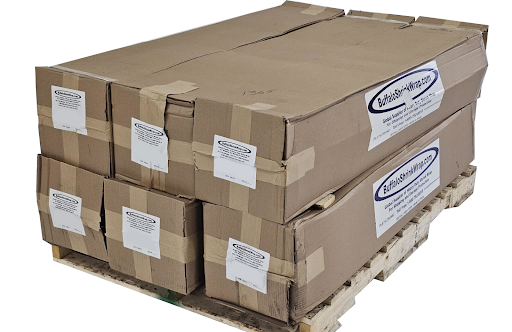
When shipping large quantities of products, securing pallet loads properly is essential. Businesses rely on various packaging solutions to keep goods stable, protected, and easy to transport. Two of the most commonly used methods are pallet wrap shrink wrap and stretch wrap. While they may appear similar at first glance, they function very differently and serve distinct purposes in shipping and logistics.
Understanding the differences between these packaging solutions helps businesses choose the right method for protecting their products during storage and transport.
What Is Pallet Wrap Shrink Wrap?
Pallet wrap shrink wrap is a packaging method where plastic film is placed around palletized products and then heated. Once heat is applied, the film shrinks tightly around the entire load, forming a strong and secure protective layer.
This process uses palletized shrink film, which is designed to contract when exposed to heat. The result is a tight seal that holds products firmly in place and protects them from dust, moisture, and environmental damage.
Because the film conforms closely to the shape of the load, shrink wrap plastic creates a rigid and stable covering that is extremely useful for long-distance transportation or outdoor storage.
What Is Stretch Wrap?
Stretch wrap is another popular pallet packaging solution used by warehouses and shipping companies. Unlike shrink wrapping, stretch wrap does not require heat. Instead, the plastic film is stretched around a pallet load and relies on its elasticity to hold products together.
Businesses often purchase wholesale stretch wrap to secure pallet loads quickly and efficiently in warehouses. Workers typically apply it manually or with a stretch wrap machine.
Stretch wrap works by tightly stretching the film around products, which creates tension that keeps items together during shipping.
Important Differences Between Shrink Wrap and Stretch Wrap
Although both packaging methods are designed to secure products during transport, they have several important differences.

1. Application Process
The biggest difference between these two methods is how they are applied.
Pallet wrap shrink wrap requires heat to shrink the film around products. Once heated, the film contracts and creates a strong seal around the load.
Stretch wrap, on the other hand, simply stretches around products without the need for heat. Workers wrap the film around pallets using manual or automated wrapping equipment.
2. Strength and Stability
Because palletized shrink film tightens after heat is applied, it forms a rigid protective shell around the load. This makes it extremely effective for heavy or irregularly shaped shipments.
Stretch wrap provides stability through tension, but it may loosen slightly during long transportation journeys if the load shifts.
For shipments that require maximum stability, many companies prefer pallet wrap shrink wrap.
3. Protection from Environmental Elements
Another major advantage of shrink wrap plastic is the protection it provides against environmental factors.
When the film shrinks tightly around a pallet, it forms a sealed barrier that protects goods from dust, dirt, rain, and moisture. This makes shrink wrapping particularly useful for products that may be stored outdoors or transported through harsh weather conditions.
Stretch wrap provides some protection but does not create the same tight seal as shrink wrapping.
4. Shipping and Storage Benefits
Using a roll of shrink wrap to secure pallet loads creates a compact and stable package that is easy to handle during transportation.
Shrink wrapping reduces movement between products and helps maintain the integrity of pallet loads. It is mainly useful for fragile or high-value goods.
Stretch wrap is commonly used for internal warehouse movement because it allows for quick and efficient wrapping.
5. Best Use Cases
Both packaging methods have their ideal use cases depending on the shipping requirements.
Shrink wrapping is best for:
- Long-distance transportation
- Outdoor storage
- Heavy pallet loads
- Products that require weather protection
Stretch wrapping is best for:
- Quick warehouse packaging
- Short-distance transportation
- Temporary pallet stabilization
Many businesses choose the method based on the level of protection needed for their products.
Why Proper Pallet Wrapping Matters
No matter which method is used, properly securing pallet loads is essential for safe shipping. Loose or unstable loads can lead to damaged products, workplace accidents, and increased shipping costs.
Using wrap for pallets ensures that products remain stable during loading, transportation, and unloading.
Both shrink wrap and stretch wrap help reduce product damage and improve efficiency in supply chain operations.
Conclusion
Choosing the right pallet wrapping method is crucial for protecting products during transport. While stretch wrap offers quick and convenient packaging for warehouse use, pallet wrap shrink wrap provides superior protection, stability, and environmental resistance.
For businesses that require reliable shipping protection, shrink wrapping is often the preferred solution. At Buffalo Shrink Wrap, high-quality shrink wrapping materials help companies secure pallet loads and ensure products remain protected throughout the shipping process.
Frequently Asked Questions (FAQs)
What is pallet wrap shrink wrap used for?
Pallet wrap shrink wrap is used to tightly secure palletized goods and protect them from damage during transportation and storage.
What is the difference between shrink wrap and stretch wrap?
Shrink wrap requires heat to shrink tightly around products, while stretch wrap uses tension and elasticity to hold items together without heat.
Is palletized shrink film better for heavy shipments?
Yes, palletized shrink film provides strong stability and protection, making it ideal for heavy or irregularly shaped pallet loads.
Can shrink wrap protect products from weather?
Yes, shrink wrap plastic creates a tight protective barrier that helps shield products from rain, dust, moisture, and environmental exposure.
Where can businesses buy shrink wrap for pallets?
Businesses can purchase shrink wrap rolls and pallet wrapping materials from professional shrink wrap suppliers offering industrial-grade solutions.