

Shrink wrapping is widely used across industries to protect products, equipment, and structures from environmental damage. Whether it’s used for packaging, marine protection, construction containment, or pallet shipping, shrink wrap offers reliable and durable protection. However, achieving professional results requires proper tools and techniques.
Many beginners and even experienced operators encounter problems when using heat guns for shrink wrap. These issues can lead to poor wrapping results, damaged film, or unsafe working conditions. Understanding the most common problems and how to prevent them can significantly improve shrink wrapping efficiency and quality.
Using the Wrong Type of Heat Gun
One of the most common mistakes is using an inappropriate heat tool for shrink wrapping. Not all heat guns are designed to handle the high temperatures required for shrinking industrial shrink film.
For small packaging tasks, a hot air gun for shrink wrapping may work effectively. However, larger projects such as pallet wrapping, construction containment, or marine wrapping require more powerful tools.
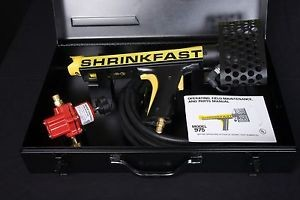
Using a low-powered heat gun may result in uneven shrinking or incomplete wrapping. For professional applications, a propane heat shrink gun often delivers better results because it provides stronger and more consistent heat output.
Incorrect Heat Gun Distance
Another frequent problem occurs when the heat gun is held too close or too far from the shrink wrap film.
When using heat gun and shrink wrap together, maintaining the correct distance is essential. Holding the tool too close can burn or melt the film, creating holes or weak spots. On the other hand, holding it too far away may prevent the film from shrinking properly.
Professionals typically move the heat tool in smooth sweeping motions to distribute heat evenly across the shrink wrap surface.
Uneven Heat Application
Uneven heating is another major challenge when using heat guns for shrink wrap. If heat is applied unevenly, some areas of the film may shrink tightly while others remain loose.
This can create wrinkles or weak sections in the wrap that reduce protection. Uneven shrink wrapping can also cause structural instability when wrapping large objects or pallet loads.
To avoid this problem, operators should move the shrink wrap heater steadily across the film surface and avoid focusing heat on one area for too long.
Incorrect Heat Gun Settings
Many heat guns allow users to adjust temperature settings. Choosing the wrong temperature can affect the quality of the shrink wrapping process.
Low heat may prevent the film from shrinking fully, leaving loose areas in the wrap. Excessive heat can damage the shrink film and weaken its structure.
Understanding proper heat gun wattage and temperature settings helps ensure the film shrinks evenly without burning or tearing.
Different types of shrink film may require different heat levels, so operators should always check manufacturer recommendations before starting a project.
Overheating the Shrink Wrap Film
Applying too much heat is another common problem during shrink wrapping. Excessive heat can weaken the film and create holes or thin areas.
When using heat guns for shrink wrap, it is important to heat the film gradually and evenly. The goal is to shrink the film tightly without overheating it.
Professionals typically apply heat slowly and allow the film to tighten naturally rather than forcing it to shrink quickly.
Safety Issues During Operation
Shrink wrapping tools produce high temperatures, which can pose safety risks if not used properly.
Improper use of a propane heat shrink gun or hot air gun can result in burns, equipment damage, or fire hazards. Operators should always wear protective equipment and maintain safe working distances.
It is also important to inspect hoses, connections, and equipment before using a heat tool to ensure everything is functioning properly.
Proper safety procedures help prevent accidents and ensure efficient shrink wrapping operations.
Poor Film Installation Before Heating
Another issue occurs before the heating process even begins. If shrink wrap film is installed incorrectly, heating it will not produce the desired results.
For example, loose film or poorly secured edges may wrinkle or shift during heating. This can cause uneven shrinkage or weak spots in the wrapping.
Before using a shrink wrap heater, the film should be properly positioned and secured to ensure consistent shrinking across the entire surface.
Lack of Operator Experience
Shrink wrapping requires practice and proper technique. Inexperienced operators may apply heat incorrectly, move the heat gun too quickly, or focus heat on the wrong areas.
Learning how to properly handle heat guns for shrink wrap can significantly improve results and reduce wrapping errors.
Training and experience help operators achieve smoother, tighter, and more professional shrink wrapping results.
Conclusion
Shrink wrapping is an effective method for protecting products, structures, and equipment. However, improper use of heat tools can create several challenges during the wrapping process.
Understanding common problems such as incorrect heat settings, uneven heating, and poor film installation can help operators achieve better results. Using the right tools and techniques when working with heat guns for shrink wrap ensures safer operations and stronger wrapping performance.
At Buffalo Shrink Wrap, professional-grade shrink wrapping materials and equipment help businesses achieve reliable and high-quality wrapping results for industrial, marine, and packaging applications.
Frequently Asked Questions (FAQs)
What causes uneven shrink wrapping?
Uneven shrink wrapping is usually caused by inconsistent heat application, incorrect heat gun distance, or improper technique, leading to wrinkles and loose areas in the shrink film.
Can a hot air gun be used for shrink wrapping?
Yes, a hot air gun can be used for small shrink wrapping tasks, but for larger or industrial applications, propane heat tools are more effective and efficient.
What is the ideal heat gun distance when shrinking wrap?
The heat gun should be held at a safe distance and moved continuously across the surface to ensure even heat distribution and prevent burning or overheating.
Why is heat gun wattage important for shrink wrapping?
Proper heat gun wattage ensures consistent heat output, allowing the shrink film to contract evenly without damaging the material.
Is propane heat shrink gun better for industrial wrapping?
Yes, propane heat shrink guns provide higher heat output and better efficiency, making them ideal for large-scale and industrial shrink wrapping applications.